

Year 9 students
Australian Curriculum v9.0
Geography (AC9HG9K01): The distribution and characteristics of biomes as regions with distinctive climates, soils, vegetation and productivity.
Geography (AC9HG9K04): Challenges to sustainable food production and food security in Australia and appropriate management strategies.
- This lesson is designed as a flexible tool.
- Teachers can adapt and build upon.
- 60-minute lesson.
- Stand alone.
- Customise to fit the unique needs of the classroom.
Geography
Sustainability, Zucchini, Geography, Agriculture, Food Production, AC9HG9K01, AC9HG9K04
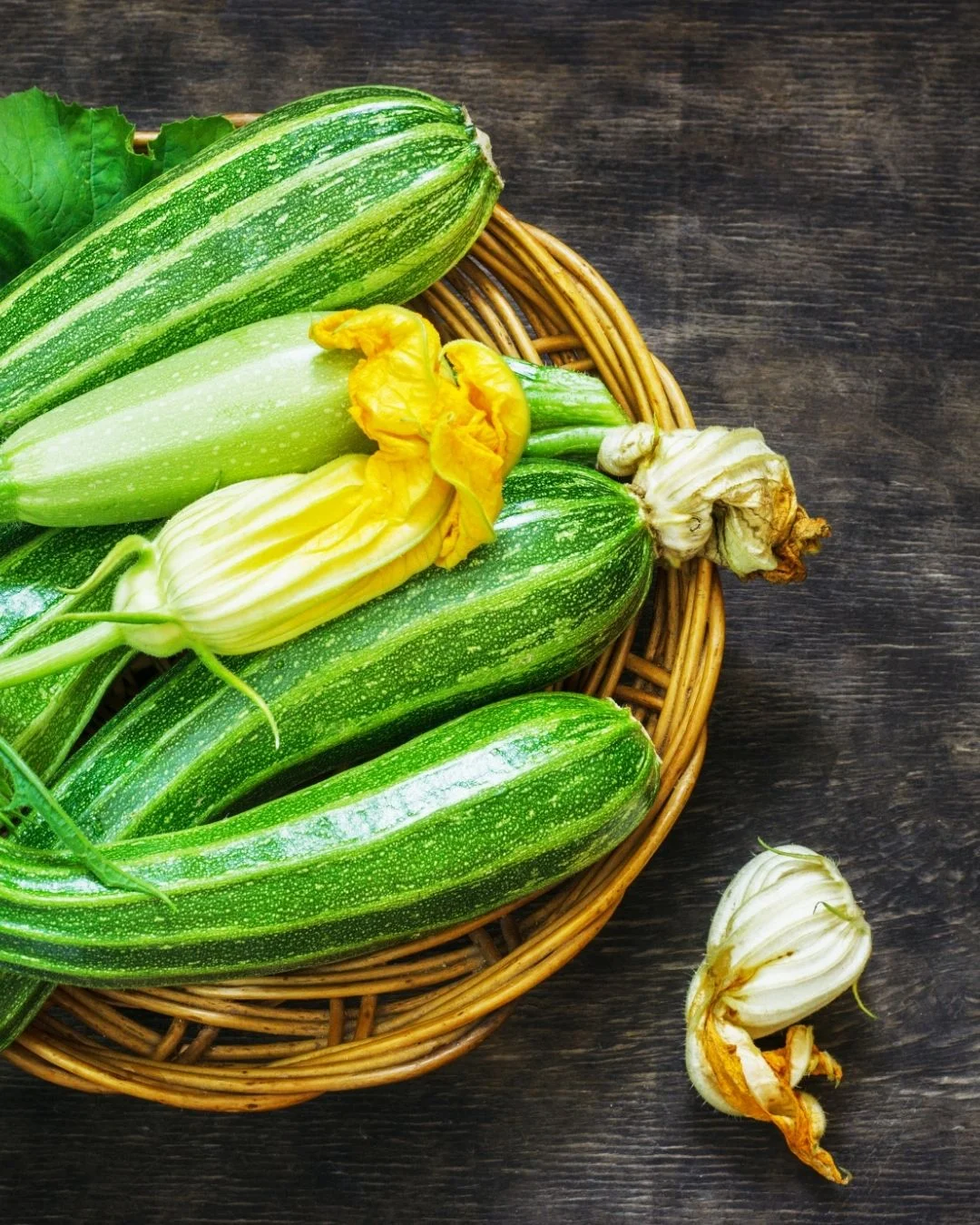
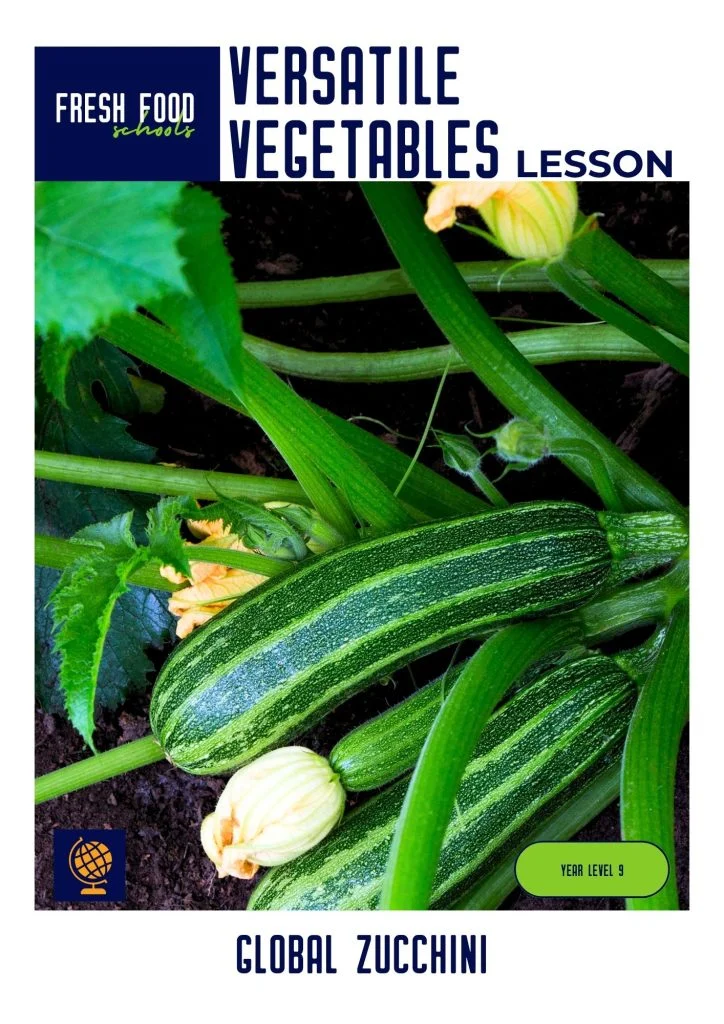
The Global Zucchini lesson focuses on exploring the environmental conditions and biome characteristics required for zucchini production. It examines how human interventions adapt natural landscapes for sustainable agriculture, and it encourages students to connect geographical knowledge to real-world food production challenges.
Lesson Objectives
- Describe the key features of biomes suitable for zucchini farming.
- Explain how climate, soil, and vegetation influence zucchini growth.
- Analyse human impacts on natural biomes for agricultural use.
- Evaluate sustainability strategies in zucchini production.
- Connect geographical theory to real-world food security and environmental management.
Key Concepts Taught
- Biomes and Agriculture: Understand how climate, soil, and natural systems affect crop suitability.
- Zucchini Production in Australia: Explore the geographical regions and growing conditions ideal for zucchini farming.
- Human Interventions: Analyse how land is modified through irrigation, fertilisation, and crop management.
- Sustainability in Farming: Study sustainable practices like crop rotation, drip irrigation, and biodiversity conservation.
- Geographical Thinking: Apply geographic tools (maps, case studies) to understand real-world environmental issues.