

Year 9 & 10 students
Australian Curriculum v9.0
Geography (AC9HG9K04): Challenges to sustainable food production and food security in Australia and appropriate management strategies.
Health & Physical Education (AC9HP10P10): Plan, justify and critique strategies to enhance their own and others’ health, safety, relationships, and wellbeing.
Design & Technologies (AC9TDE10K05): Analyse and make judgements on how the sensory and functional properties of food influence the design and preparation of sustainable food solutions for healthy eating.
- This lesson is designed as a flexible tool.
- Teachers can adapt and build upon.
- 60-minute lesson.
- Stand alone.
- Customise to fit the unique needs of the classroom.
Geography, Health & Physical Education, Design and Technologies
AC9HG9K04, AC9HP10P10, AC9TDE10K05, Nutrition, Agriculture, Food Science, Health, Cooking, Sustainability, Recipe
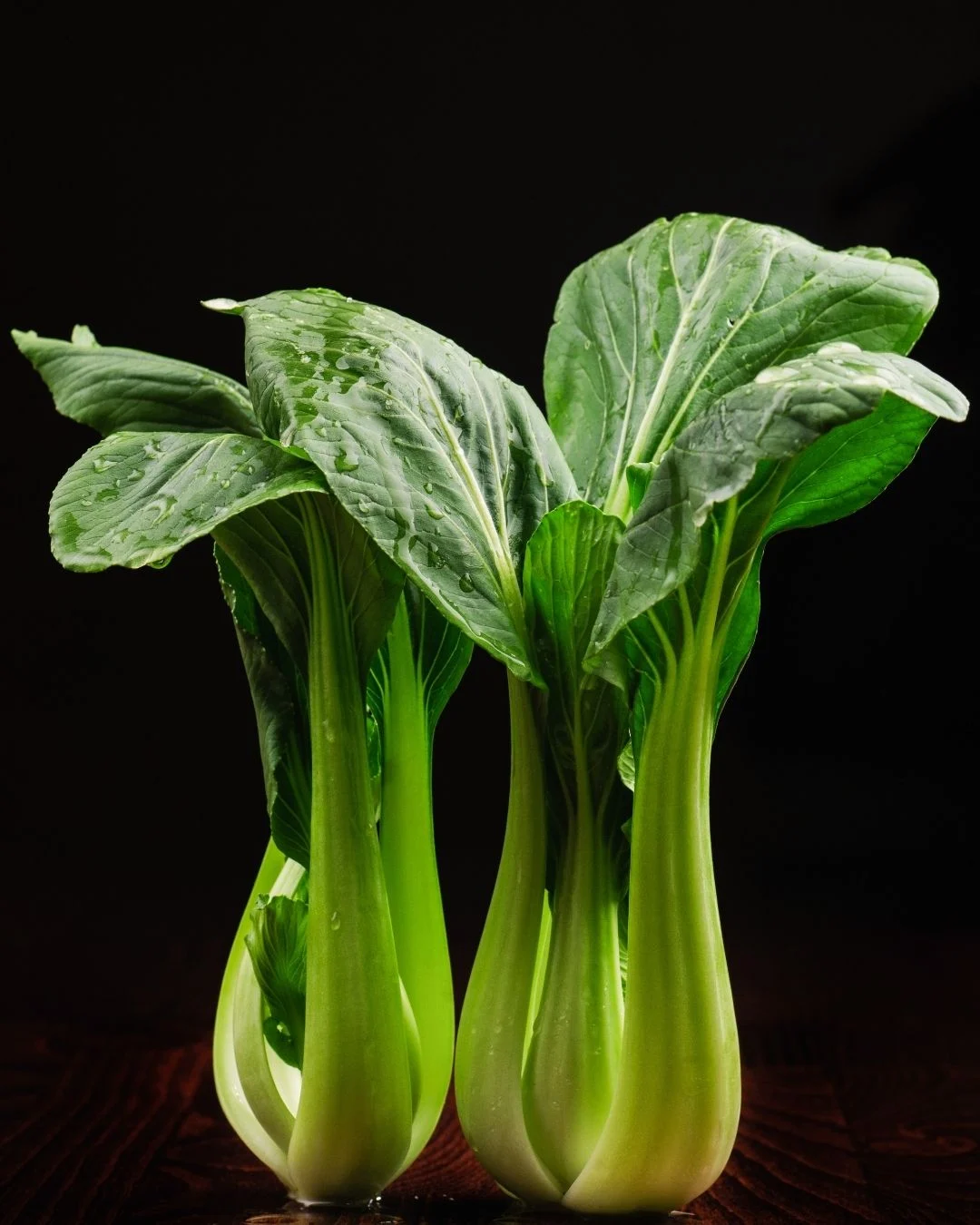
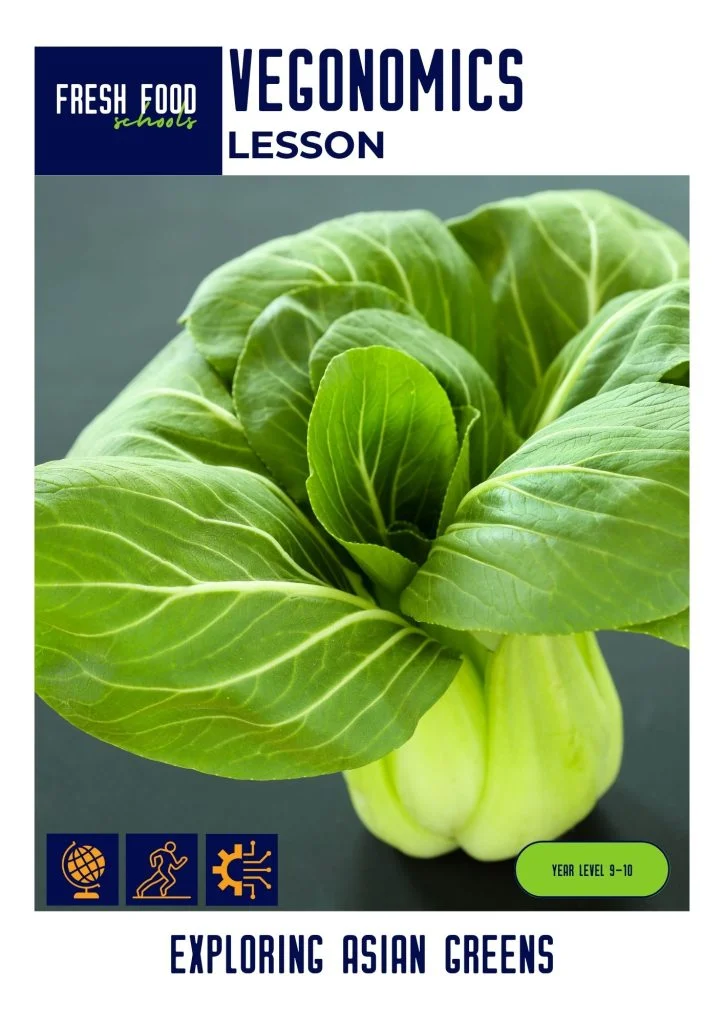
The Exploring Asian Greens lesson aims to deepen students’ understanding of the nutritional, cultural, and agricultural significance of Asian leafy greens. Students explore their global origins, culinary applications, health benefits, and sustainable farming practices. The lesson combines food preparation, sustainability education, and cross-curricular integration to promote healthier and more environmentally conscious eating habits.
Lesson Objectives
- Identify common types of Asian greens and describe their nutritional benefits.
- Understand the historical origins and rising popularity of Asian greens worldwide.
- Examine how different Asian greens are used in food preparation and cooking.
- Explore and evaluate sustainable farming practices related to leafy green production.
- Develop and present a nutritious, sustainable recipe using Asian greens.
Key Concepts Taught
- Nutrition: Asian greens are nutrient-dense, low-calorie vegetables packed with vitamins and fibre.
- Food Preparation: Quick cooking methods (e.g., stir-frying, steaming) enhance both flavour and nutrient retention.
- Sustainability: Practices like crop rotation, companion planting, and water conservation support sustainable farming and reduce reliance on chemicals.
- Cultural Literacy: Understanding the global role of Asian greens in cuisine, health, and agriculture.
- Health & Wellbeing: Encouraging vegetable-rich diets that support personal and public health outcomes.